How a Local Moving Company Makes Short-Distance Moves Easier
Summarize with
A local moving company simplifies a short-distance move by streamlining the logistical planning, physical labor, and transportation requirements that often overwhelm homeowners. While moving within the same city or county may seem manageable alone, the volume of tasks requires professional coordination to ensure safety and efficiency. Professional movers utilize specialized equipment and systematic packing techniques that reduce the time spent on relocation and minimize the risk of damage to household goods.
This guide provides an objective look at the professional moving process, detailing how expert services function and what homeowners should prepare for when relocating nearby. The information stems from practical experience in the moving industry and focuses on the technical aspects of local transitions.
Benefits of Hiring a Local Moving Company
Hiring professional moving services offers distinct advantages that go beyond simple transportation. Local companies possess intimate knowledge of the area, including traffic patterns, parking restrictions, and building regulations in specific neighborhoods. This familiarity allows for more accurate arrival windows and faster transit times compared to individuals driving unfamiliar rental trucks.
Local movers also provide specialized equipment that most homeowners do not own. Items like heavy-duty furniture dollies, appliance straps, and custom padding protect both the belongings and the property. According to a report by the Better Business Bureau, professional movers are trained to navigate tight corners and stairs safely, which prevents common injuries associated with heavy lifting.
How Local Movers Simplify Short-Distance Moves
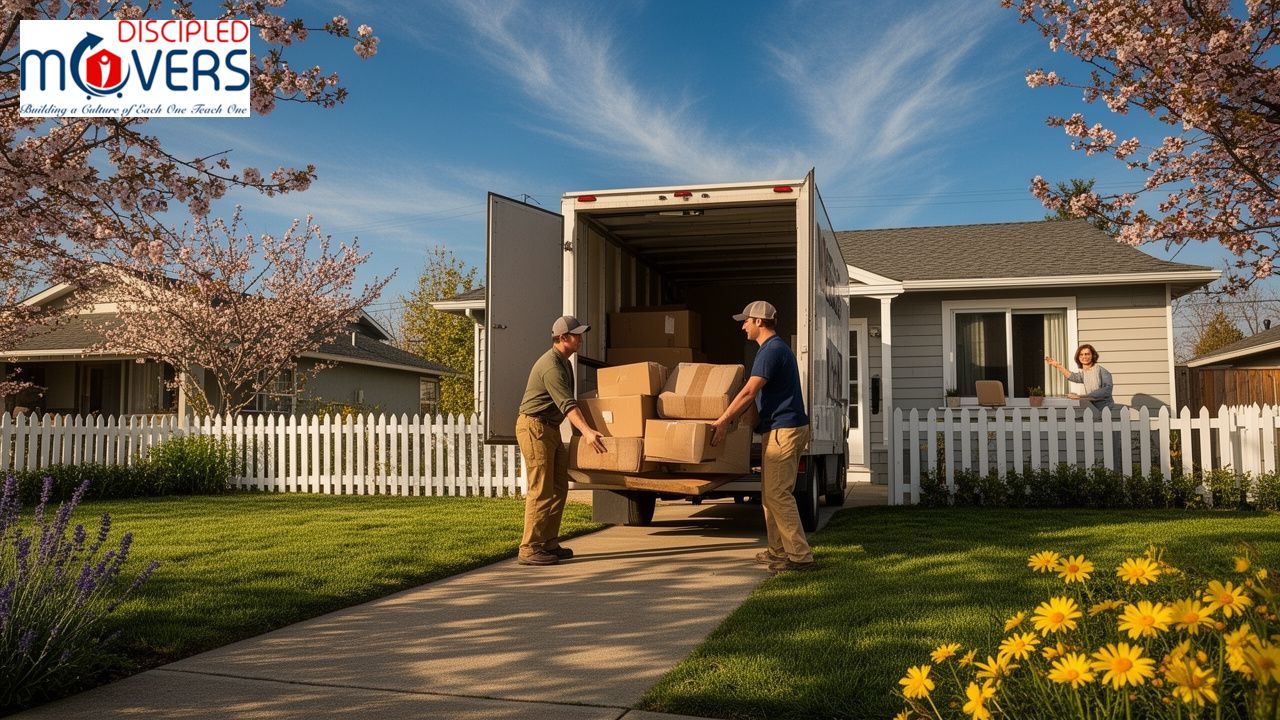
Professional services transform the moving process through organized execution. The simplicity arises from delegating the most physically demanding and time-consuming tasks to a trained crew. Instead of a move taking several days of loading and unloading a personal vehicle, a professional team can often finish the entire process in a few hours.
Strategic Packing and Loading
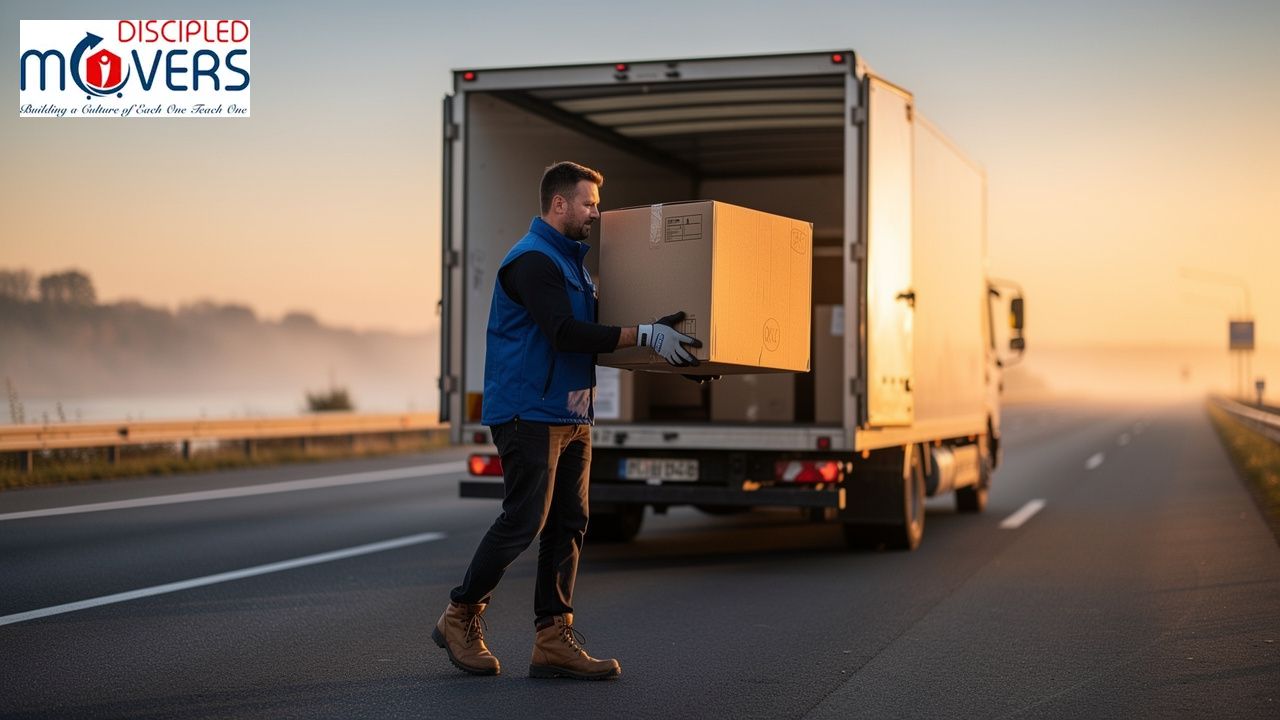
Local movers use a systematic approach to loading the truck. They place heavier items at the bottom and secure them to prevent shifting during transit. This professional loading maximizes truck space, often reducing the number of trips required.
Equipment and Resource Availability
Moving teams arrive with a fleet of tools ready for any situation. This includes floor runners to protect carpets, door jamb protectors, and various sizes of boxes. Having these resources on hand eliminates the need for homeowners to make multiple trips to hardware stores for supplies.
Technical Expertise for Specialty Items
Certain items like pianos, antiques, or large electronics require specific handling. Professionals understand the mechanics of these objects and use appropriate techniques to secure them. This expertise ensures that high-value or fragile items reach the new destination without functional or cosmetic issues. Beyond these technical benefits, understanding how professional services are priced is a critical component of the planning process.
Cost of Short-Distance Moving Services
The financial aspect of local moves differs significantly from long-distance relocations. While long-distance moves often depend on weight and mileage, local services typically operate on hourly rates. These rates vary based on the number of movers requested and the time of year.
Data from Moving.com indicates that local moving costs are influenced by the total volume of goods and the accessibility of the home. Factors like stairs, long walking distances from the truck to the door, or the need for disassembly can increase the total time and cost.
| Service Factor | Impact on Cost | Why it Matters |
|---|---|---|
| Crew Size | Increases the hourly rate | More hands complete the job faster, potentially lowering the total bill. |
| Packing Services | Additional fee | Professionals pack faster and use fewer materials efficiently. |
| Specialty Items | Flat fee per item | Items like safes or pool tables require extra labor or tools. |
| Travel Fee | One-time charge | Covers the cost of the truck getting from the warehouse to the home. |
Local Moving Tips for Homeowners
Preparation is the primary factor in a successful move. Efficiency increases when a local moving company can begin loading immediately upon arrival.
Bonus Tip: Group all boxes in a central area near the entrance, such as the garage or living room. This reduces the walking distance for the movers and speeds up the loading process significantly.
Clear communication with the moving team about specific fragile items or furniture with existing damage ensures everyone is on the same page. Homeowners should also verify that the path to the truck is clear of debris or overhanging branches.
What to Expect During a Local Move
A typical local move follows a specific timeline. Understanding this sequence helps homeowners manage their day effectively.
- Arrival and Walkthrough: The crew lead reviews the items to be moved and notes any special instructions.
- Property Protection: Movers lay down floor protection and wrap furniture in moving blankets.
- Loading: The team systematically fills the truck, starting with the heaviest furniture and ending with smaller boxes.
- Transit: The truck moves to the new location while the homeowner travels separately.
- Unloading: Items are placed in designated rooms based on the homeowner’s direction.
How to Prepare for a Local Move
Preparation should start at least four weeks before the moving date. Sorting through belongings and discarding unnecessary items reduces the total volume, which lowers the moving time and cost.
Create an Inventory
List all major furniture pieces and an estimate of the number of boxes. This inventory helps the company provide an accurate quote and ensures nothing is left behind. According to statistics from the U.S. Census Bureau, many residential moves happen within the same county, making it easy to overlook the complexity of moving an entire household of goods.
Secure Valuables
Keep jewelry, small electronics, and important documents in a separate bag or box. It is best to transport these items in a personal vehicle to maintain direct control over them throughout the day.
Prepare the New Home
Ensure the new residence is clean, and the utilities are active before the movers arrive. If the new home has specific rules for moving trucks, such as elevator reservations or parking permits, coordinate these in advance.
Common Local Moving Mistakes to Avoid
Avoiding simple errors can prevent delays and extra costs during the move. One frequent mistake is leaving boxes partially full or improperly taped. Boxes that are not full can collapse when stacked, while overfilled boxes may break open.
Bonus Tip: Always use professional-grade packing tape rather than masking or duct tape. Professional tape adheres better to cardboard and maintains its seal under the stress of stacking.
Another mistake is failing to measure the new space. Ensuring that large furniture will fit through the doors and into the intended rooms at the new location prevents the team from having to move items twice or leaving them in a garage because they do not fit.
Decision Factors Before Choosing a Local Moving Company
Selecting the right service provider requires looking at specific criteria. Do not base the decision solely on the lowest price, as this can sometimes lead to poor service or hidden fees.
- Licensing and Insurance: Verify that the company holds the required state permits and carries liability insurance to protect your belongings.
- Local Reputation: Look for companies with a history of service in your specific community.
- Transparent Estimates: A reliable company provides a clear breakdown of hourly rates, travel fees, and any additional costs for materials.
- Equipment Quality: Ensure the company uses modern, well-maintained trucks and professional-grade moving blankets.
Common Questions About Local Moves
Is insurance included in the moving cost?
Basic liability coverage is typically included by law, but it only covers a small amount per pound of weight. Homeowners moving high-value items should ask about full-value protection options for better coverage.
Do movers take down curtains and wall art?
Most moving teams will remove wall art if it is packed in appropriate mirror or picture boxes. However, things like curtains, rods, and mounted televisions often require the homeowner to remove them before the crew arrives unless specialized disassembly services were requested.
How do I handle parking for the moving truck?
If the move involves an apartment complex or a busy city street, the homeowner is responsible for securing a parking permit or notifying the building manager. Professional moving companies recommend checking local city ordinances for street parking rules at least a week in advance.
Direct Answers for Better Planning
How long does a local move usually take?
A two-bedroom apartment typically takes four to six hours with a three-person crew. A larger four-bedroom home can take eight to twelve hours or more, depending on the volume of belongings and the level of preparation.
Should I move my own appliances?
Appliances like refrigerators and washing machines require specific preparation, such as disconnecting water lines and securing moving parts. While movers can transport them, they may not be authorized to disconnect or reconnect gas or water lines due to liability.
Can movers transport plants?
Many local companies will move indoor plants if they are properly contained in boxes. However, plants are sensitive to temperature and movement, so moving them in a personal vehicle is often the safer choice for their health.
What is the best day to move locally?
Moving on a weekday, specifically Tuesday or Wednesday, often allows for more flexibility in scheduling. Weekends and the beginning or end of the month are the busiest times for moving companies and may result in higher demand and less availability.
Evaluating the Local Moving Process
A successful local move depends on the balance between homeowner preparation and professional execution. By understanding the hourly cost structures and the technical requirements of loading and unloading, residents can make informed decisions. Using a local moving company provides the physical support and logistical expertise needed to transition to a new home without the common stresses of a DIY move. Evaluate your specific needs, such as the volume of heavy furniture and your available time, to determine the level of professional assistance required for your situation.
Guidance for Your Move
Planning a relocation requires attention to detail and reliable support. Discipled Movers offers professional assistance for those moving within the local area. For more information on how to organize your next move, contact the office at (720) 409-1980 or reach out via email at repdiscipled@gmail.com. Providing clear details about your home size and specific needs will help ensure a smooth transition to your new residence.
Sources
- U.S. Census Bureau – Provides statistical data on moving patterns and frequencies within the United States.
- Better Business Bureau – Offers guidelines and safety tips for consumers looking to hire professional moving services.
- Moving.com – A resource for estimating moving costs and understanding the differences between local and long-distance services.