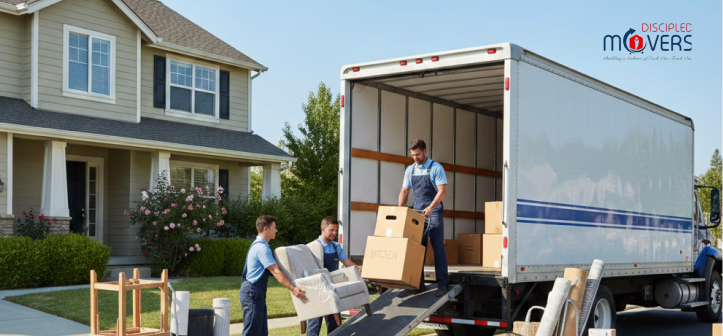
How Can You Prepare Your Home for a Moving Service?
Preparing a home for a professional moving service requires decluttering, systematic packing, and ensuring the physical space is safe for movers. The process starts by removing unwanted items to reduce shipment weight and organizing remaining goods into labeled boxes. Success depends on creating clear pathways throughout the home and identifying items that should not be loaded onto the truck, such as legal documents, jewelry, and hazardous materials.
This guide provides a comprehensive framework for home preparation to ensure the moving day is efficient and safe. Professional standards suggest that a well-prepared home reduces the risk of property damage and shortens the total labor time required for the relocation. Professional teams, such as those at Discipled Movers, emphasize that readiness is the primary factor in a smooth transition from one residence to another.
Inventory Management and Decluttering
Reducing the volume of items is the most effective way to lower moving costs and simplify the process. Information about the average cost of moving household goods shows that pricing varies significantly based on the total weight and volume of belongings. Sorting through every room to separate items into keep, donate, and discard piles prevents the transportation of unnecessary weight.
Once the sorting is complete, the focus shifts to organization. Grouping items by their destination room in the new house rather than their current location helps movers work faster. If items are already staged in a central area like a garage or a living room, it minimizes the time spent by the service personnel walking between different levels of the home.
Bonus Tip
Take photographs of the back of electronic devices like televisions and computers before unplugging them. These images serve as a reference for reconnecting cables correctly at the new location, saving hours of troubleshooting.

Organizing the Packing Process
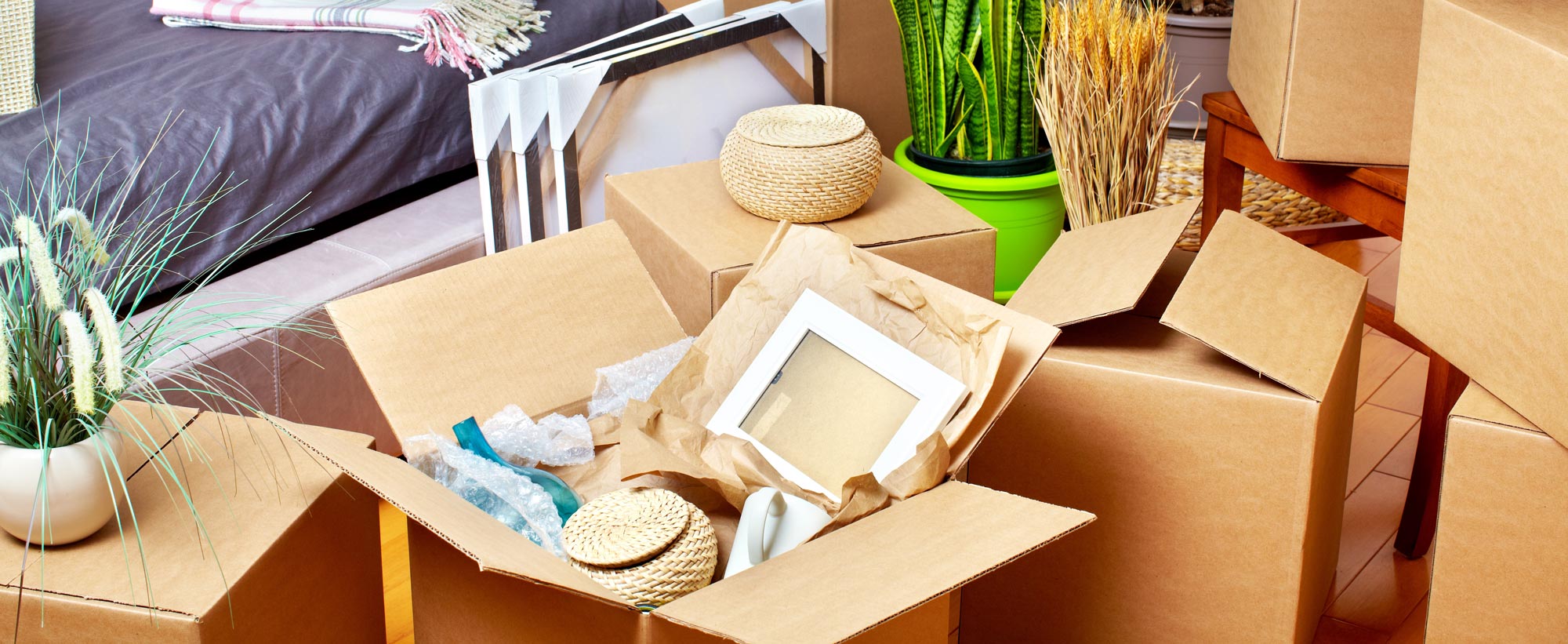
If the service agreement does not include professional packing, every box must be taped securely and labeled. Standard boxes should be filled to the top to prevent collapsing when stacked, using packing paper or bubble wrap to fill empty gaps. Labeling should be visible on the side of the box rather than the top, so the information remains readable when boxes are stacked.
A report by Move.org highlights that roughly 27 million Americans move each year, and a significant portion of damage claims arise from improper packing. Using consistent box sizes also helps the moving crew maximize the space inside the truck, which prevents shifting during transport.
Preparation Checklist by Room
| Room | Key Preparation Tasks | Protection Method |
|---|---|---|
| Kitchen | Pack heavy appliances in original boxes; wrap glass separately. | Use double-walled boxes for fragile items. |
| Bedrooms | Place clothes in wardrobe boxes or suitcases. | Plastic wrap for mattresses. |
| Living Room | Disconnect electronics; remove light bulbs from lamps. | Moving blankets for wooden furniture. |
| Garage | Drain fuel from lawnmowers; bundle long-handled tools. | Heavy-duty plastic bins for tools. |
Securing the Physical Environment
Preparing the home itself is just as important as preparing the items inside it. Moving crews need wide, unobstructed paths to carry heavy furniture and bulky boxes. Remove small rugs, door mats, and low-hanging decorations that could cause trips or falls. If the move occurs during winter or rainy weather, laying down floor protection like Masonite (durable hardboard sheets) or adhesive plastic runners prevents mud and moisture from ruining carpets or hardwood floors.
Measure doorways and hallways to ensure large pieces of furniture will fit through them. If a sofa or a dining table requires disassembly, doing this before the movers arrive can save significant time. Removing doors from their hinges is another proactive step if the clearance is tight.
Bonus Tip
Use painter’s tape to secure dresser drawers and cabinet doors during the move. This prevents them from sliding open while being carried, which avoids pinched fingers and damage to the furniture’s finish.
Handling Specialized and High Value Items
Not everything belongs on a moving truck. Professional movers are often restricted from transporting hazardous materials such as paint thinners, propane tanks, and certain cleaning chemicals. Creating a “Do Not Move” zone or a dedicated closet for items that will stay with the homeowner is a practical way to avoid confusion.
High-value items, including passports, birth certificates, prescription medications, and expensive jewelry, should be moved in a personal vehicle. This ensures these items are accessible at all times and eliminates the risk of loss. Discipled Movers recommends keeping a “moving day essentials” bag that contains basic tools, chargers, and snacks to bridge the gap between arriving at the new home and unpacking the first boxes.
Things to Consider Before Making a Decision
Before choosing how to prepare, evaluate the following factors:
- Time vs. Budget: Decide if the cost of professional packing services is worth the time saved during the weeks leading up to the move.
- Inventory Volume: Determine if a large-scale garage sale is necessary or if donating items for a tax deduction is more efficient.
- Accessibility: Consider the parking situation at both the current and future residence. If a large truck cannot park close to the door, additional preparation for a long-carry or a shuttle service may be needed.
- Insurance Coverage: Review what the moving service’s standard liability covers versus the value of the items being moved.
Common Questions About Home Preparation
Many people wonder if they should leave clothes in dresser drawers. While some movers allow lightweight clothing to stay in the drawers, it is generally better to empty them to prevent the furniture frame from warping under the extra weight during transit.
Another frequent concern involves appliances. Most moving services do not disconnect gas lines or water connections for refrigerators and washing machines. Homeowners should arrange for a plumber or a specialized technician to handle these disconnections at least 24 hours before the moving crew arrives. This allows appliances to dry out and prevents leaks during the move.
FAQ on Home Preparation
Should I take apart my own furniture?
While many moving companies offer disassembly services, doing it yourself saves time and reduces labor costs. Keep all screws and small hardware in labeled plastic bags taped to the underside of the furniture piece.
How do I prepare my appliances for the move?
Clean and dry refrigerators at least 24 hours in advance to prevent mold. Secure the drums of washing machines with transit bolts to protect the suspension system during transport.
What should I do with my pets on moving day?
Keep pets in a quiet, closed room or at a boarding facility. The noise and open doors can be stressful for animals and create a tripping hazard for the moving crew.
Do I need to provide packing supplies for the movers?
If the contract includes packing, the service will bring supplies. If the contract is for loading only, all boxes must be packed and sealed before the crew arrives.
Evaluating the Final Plan
Effective preparation involves a balance of physical organization and logistical planning. By clearing paths, labeling boxes accurately, and separating high-value items, the moving process becomes a series of manageable tasks. Each home is unique, and assessing the specific needs of the property ensures that both the belongings and the building remain undamaged. Evaluating the scope of the move early allows for adjustments in scheduling or staffing, leading to a more predictable and successful experience.
Reach Out for Professional Support
Discipled Movers provides experienced relocation services for residents needing reliable and careful handling of their belongings. For more information on how to streamline the moving process or to request a detailed estimate, contact the team at (720) 409-1980. Inquiries can also be sent via email to repdiscipled@gmail.com to discuss specific requirements for an upcoming relocation.
Sources
- average cost of moving household goods – Comprehensive statistics on average moving costs and industry trends.
- Move.org – Detailed data regarding annual moving patterns and common causes for damage during relocation.