What’s Included in a Full-Service Moving Package?
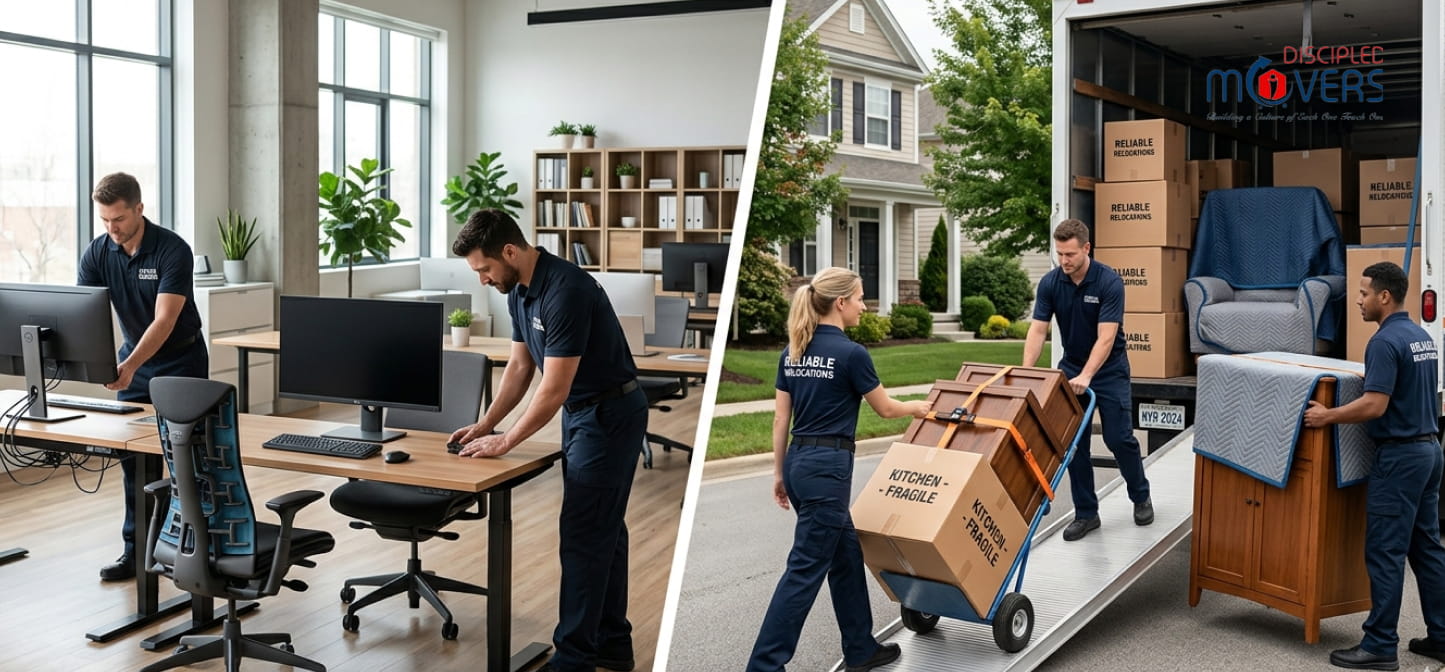
A full-service moving package is a comprehensive solution where professional movers handle every physical aspect of a relocation, from the initial supply delivery to the final removal of packing debris. This service typically includes supplying all packing materials, packing every item in the home, disassembling furniture, loading the truck, driving to the new location, unloading, reassembling furniture, and placing items in designated rooms. While specific contracts vary, the core intent is to remove the physical labor burden completely from the customer, leaving them responsible only for personal coordination and decision-making.
Choosing this option transforms the relocation experience from a labor-intensive project into a management task. It is designed for individuals or families who lack the time, physical ability, or desire to manage the heavy lifting and logistical complexities of a move. Years of industry experience handling complex relocations demonstrate that understanding the specific line items in these packages prevents confusion on moving day. This breakdown details exactly what to expect from a professional crew.
The Packing Phase and Material Supply
The most significant differentiator of a full-service move is the inclusion of professional packing. In a standard move, the homeowner spends weeks gathering boxes and wrapping items. In a full-service scenario, the crew arrives with all necessary supplies. This includes various sizes of boxes, heavy-duty packing tape, bubble wrap, packing paper, and specialized containers for items like wardrobes or mattresses.
Movers use specific techniques to protect fragile items. Dishware is packed vertically to prevent breakage, while electronics receive anti-static protection. A report from Moving.com highlights that professional packing significantly reduces the risk of damage during transit due to proper weight distribution and cushioning. The crew works systematically, usually tackling one room at a time, labeling every box with its contents and destination room.
Bonus Tip: Even with full packing services, set aside an “essentials box” personally before the crew arrives. This should contain medications, chargers, toiletries, and a change of clothes, so these items do not get packed away into the deep recesses of the moving truck.
Furniture Handling and Protection
Large furniture requires more than just lifting. A full-service package includes the disassembly of standard furniture items such as bed frames, large dining tables, and sectional sofas. The movers carry the necessary tools to remove legs, unscrew headboards, and detach mirrors from dressers.
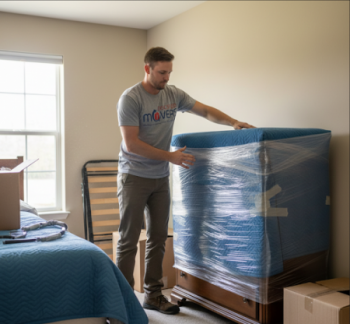
Once disassembled, each piece is wrapped in heavy-duty moving pads (quilted blankets) and secured with shrink wrap or large rubber bands. This protects the finish from scratches and keeps drawers closed during transport. Upholstered items like couches are often wrapped entirely in plastic to prevent dirt, dust, or moisture damage while on the truck.
Loading, Transport, and Logistics
The loading process involves more than stacking boxes. It requires a strategic approach often referred to as “tiering.” Movers build walls of boxes and furniture floor-to-ceiling to maximize space and prevent load shifting. Heavy items go on the bottom, while lighter, fragile items are placed high in the truck.
The driving component is fully managed by the company. This relieves the customer of the stress associated with operating a large commercial vehicle, navigating weigh stations, or managing fuel stops. The company also handles the liability for the vehicle and the safety of the cargo while it is on the road. According to data from the Federal Motor Carrier Safety Administration, verified movers must adhere to strict safety regulations regarding driving hours and vehicle maintenance, providing an added layer of safety for the customer’s belongings.
Unloading and Reassembly
Upon arrival at the new home, the service continues with unloading and placement. The crew will not simply dump everything in the living room. They follow the labels on the boxes and the homeowner’s instructions to place furniture and cartons in the correct rooms. This makes the unpacking process much more manageable.
Reassembly is a standard part of the package. Any furniture taken apart at the origin will be put back together at the destination. Movers in Denver, CO will reattach bed rails, screw in table legs, and set up mirrors. They will place heavy furniture exactly where the homeowner wants it, adjusting it until it sits right.
What is Typically Excluded
While “full service” implies everything, certain items and tasks are almost always excluded due to liability and safety regulations. Customers must be aware of these limitations to avoid surprises.
Common Exclusions:
- Hazardous Materials: Movers cannot transport flammables, explosives, or corrosives. This includes gasoline, propane tanks, paint thinner, and sometimes household cleaners.
- Perishable Food: Most companies will not move frozen food or produce as it can spoil and damage other items.
- Plants and Pets: Living things usually cannot travel in the back of a moving truck due to temperature fluctuations and lack of airflow.
- Valuables: Cash, jewelry, vital documents, and high-value small electronics should stay with the homeowner.
Service Level Comparison
| Feature | DIY Rental | Hybrid Move (Labor Only) | Full Service Package |
| Packing Materials | Customer Buys | Customer Buys | Included |
| Packing Labor | Customer | Customer | Included |
| Furniture Disassembly | Customer | Movers | Included |
| Truck Driving | Customer | Customer | Included |
| Loading/Unloading | Customer | Movers | Included |
| Liability Coverage | Limited/None | Labor Only | Comprehensive Options |
| Time Investment | High | Medium | Low |
Things to Consider Before Making a Decision
Budget is often the primary factor, but it should be weighed against time and risk. A full-service move represents a higher upfront financial cost but eliminates days or weeks of unpaid labor for the homeowner.
Consider the complexity of the inventory. Homes with grand pianos, expensive artwork, or extensive heavy furniture benefit most from professional handling. Physical capability is another factor; moving is physically demanding, and the risk of personal injury is real for those not accustomed to heavy lifting.
Bonus Tip: Ask about “shuttle services” if the home has difficult access. If a large semi-truck cannot fit on a narrow street, movers may need to use a smaller van to ferry items to the main truck, which can affect the final price.
Market Data and Cost Factors
The cost of a full-service move is rarely a flat rate; it depends on weight, distance, and volume. Data from HomeAdvisor suggests that long-distance full-service moves can range significantly in price, often falling between $4,000 and $10,000 or more depending on the size of the home. This cost reflects not just the labor, but the materials, fuel, and insurance protections involved.
Customer Involvement and Expectations
Homeowners often wonder about their level of involvement. In a full-service environment, the customer’s main role is to provide direction. Being present to answer questions about what gets packed and what stays behind is vital.
Another common area of confusion is the unpacking service. Standard full-service packages usually include placing boxes in rooms, not emptying them. Full “unpacking” services—where movers take items out and place them on shelves—are typically an add-on service that must be requested separately.
Frequently Asked Questions
Do I need to empty my dresser drawers?
Most professional movers prefer dresser drawers to be emptied to prevent damage to the furniture’s joints and to make the item lighter. However, some crews may allow lightweight items like linens or socks to remain if the dresser is sturdy.
Will movers disconnect my appliances?
Generally, movers do not disconnect gas lines or hardwired electrical appliances due to liability reasons. You should have a plumber or electrician handle the disconnection of washing machines, dryers, and refrigerators before the crew arrives.
How are clothes in closets handled?
Movers typically use wardrobe boxes for hanging clothes. These tall boxes have a metal bar across the top, allowing clothes to be moved directly from the closet to the box without being taken off the hangers, keeping them wrinkle-free.
Is debris removal included?
Standard service usually involves removing the debris generated by the movers on moving day (like shrink wrap and floor protection). However, coming back later to pick up empty boxes after you have unpacked is usually a separate service or requires a scheduled pickup.
Conclusion
A full-service moving package offers the highest level of convenience and efficiency available in the relocation industry. It covers the supply of materials, professional packing, furniture disassembly, heavy loading, safe transport, and reassembly at the new destination. This service is ideal for those who value time and want to minimize the physical stress of moving.
Review the specific contract details carefully. Verify exactly which services are part of the base quote and which are considered add-ons. Assessing personal needs against the scope of the package allows for a decision that ensures a smooth, manageable transition to a new home.
Ready for a Stress-Free Move?
Stop worrying about boxes and heavy lifting. Let the experts handle the hard work so you can focus on settling into your new home. Contact Discipled Movers today to discuss your specific needs and get a clear, honest estimate.
Sources
- Moving.com – Provides data on packing safety, techniques, and the benefits of professional moving services.
- Federal Motor Carrier Safety Administration – A government agency offering information on mover regulations, safety standards, and consumer rights.
- HomeAdvisor – Offers market data and cost estimates for various home services, including moving and relocation.